Expert Fence Installation Options for Both Residential & Commercial Properties
Custom fencing installation options serve an essential role in enhancing both residential and commercial properties. They deliver security, privacy, and curb appeal while establishing clear property boundaries. With various materials available, homeowners and business owners can find options that meet their requirements. Professional installation guarantees compliance with local codes. However, the benefits extend beyond mere installation—knowing how to select the appropriate design and material can significantly influence the property's worth. Which factors should property owners evaluate when making these selections?
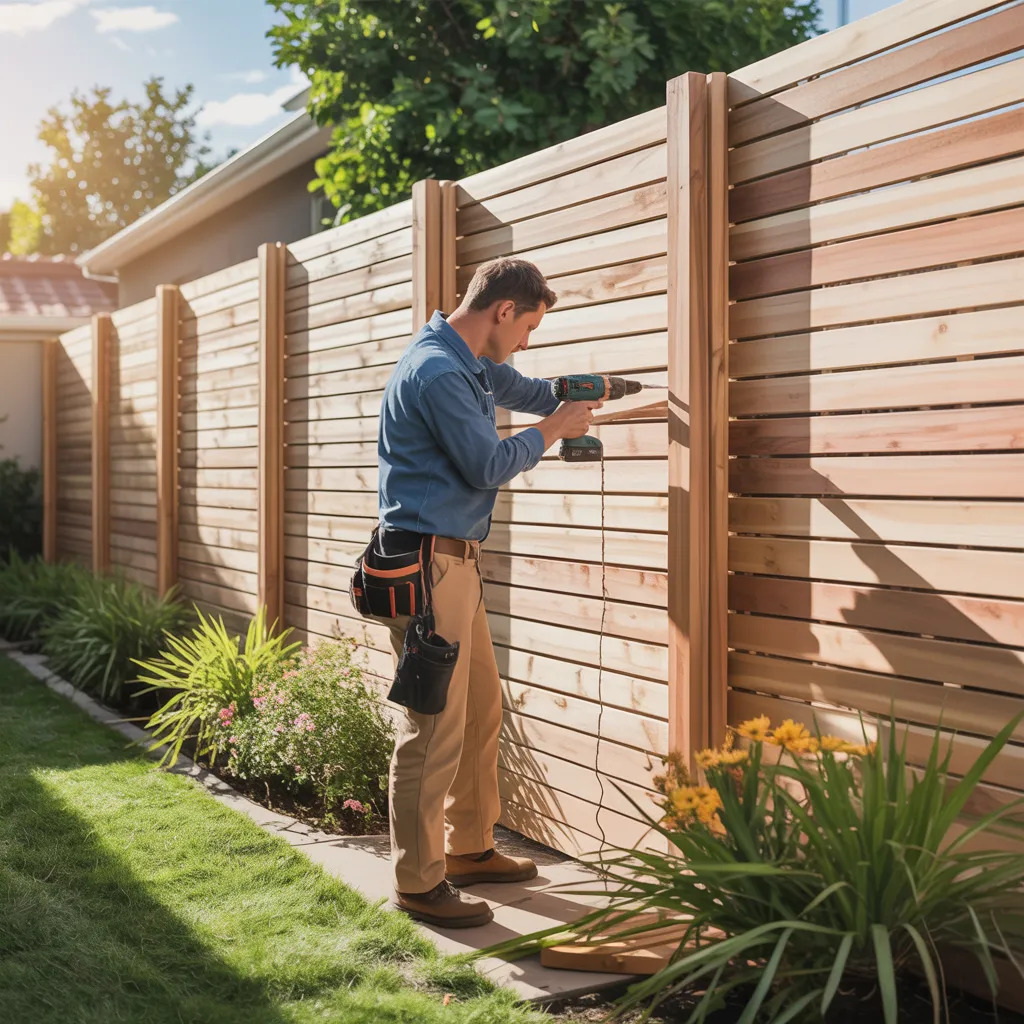
How Custom Fences Benefit Your Property
When evaluating property enhancements, many homeowners find that custom fences are not simply a decorative option but a worthwhile investment. Custom fences deliver multiple benefits that go beyond aesthetics. They improve safety by forming a tangible barrier that discourages trespassers and keeps children and pets safe. Furthermore, these fences provide seclusion, enabling homeowners to experience their outdoor spaces away from unwanted attention.
Moreover, tailored fence installations can delineate boundary lines, preventing disputes with neighbors and ensuring compliance with local regulations. They further add to the total value of the property, making it more appealing to potential buyers.
Regarding functionality, custom fences may be built to accommodate individual requirements, such as entry gates for seamless access or additions that complement landscape design. When all is considered, investing in a custom fence is a strategic decision that fulfills several functions, strengthening both the overall utility of the property and the property's visual charm.
A Comparison of Popular Fencing Materials: Wood, Vinyl, and Metal
When evaluating fencing materials, metal, wood, and vinyl each offer notable pros and cons. Price comparisons reveal considerable variation in initial expenses and long-term maintenance expenses. Knowing these considerations can assist homeowners reach well-informed choices tailored to their needs.
Strengths And Weaknesses
Several fencing material options, encompassing wood, vinyl, and metal, each provide notable strengths and weaknesses that can influence the decision of a homeowner. Wood is commonly preferred for its timeless beauty and adaptability but requires regular maintenance to avoid deterioration and pest damage. Vinyl, by comparison, is minimal in upkeep and durable against weathering and insects, positioning it as a sturdy enduring solution; however, it may lack the traditional appeal of wood. Metal options, including aluminum or wrought iron, delivers reliable safety and lasting strength but could involve greater expense and might need periodic upkeep to avoid corrosion. Every material offers distinct qualities, allowing homeowners to weigh their specific needs and preferences when choosing the perfect fencing option.
Price Comparisons
While homeowners often prioritize appearance and practicality when choosing fencing options, pricing remains an essential consideration when making their final decision. Wooden fencing generally offers a lower initial investment but requires ongoing maintenance, which may raise overall costs over time. In contrast, vinyl fencing, despite its higher initial cost, offer durability and minimal upkeep, making them a cost-effective choice over time. Metallic fencing options, such as aluminum and steel, typically comes with a greater upfront investment yet is well known for its durability and ability to withstand weather conditions, thereby reducing future repair costs. At the conclusion of the decision process, the total cost of ownership—factoring installation, maintenance, and lifespan—should guide homeowners in choosing the most appropriate fencing option for their homes or business properties.
Picking the Perfect Fence Design for Your Yard
Picking the best fence design for a home can greatly elevate both the functionality and aesthetics of a residence. Property managers and homeowners must consider a number of considerations when choosing a style, including the intended purpose of the fence, local regulations, and the architectural style of the building. Fences designed for privacy, for instance, are well-suited for building sheltered outdoor environments, while traditional picket fences often boost curb appeal and offer a charming appearance.
Material choices also play a significant role; wood delivers a timeless aesthetic, while vinyl or metal may deliver resilience and easy care. Additionally, colors and styles should complement the surrounding landscape and existing structures. Ultimately, the right fence design not only defines boundaries but also contributes to the overall character of the property, making deliberate choices crucial for accomplishing the desired results.
Reasons to Choose Professional Fence Installation
Opting for expert fencing installation ensures that the undertaking is executed with knowledge and thoroughness. Skilled contractors hold the needed proficiency and experience to manage the complexities of a wide range of fencing options and designs. They are knowledgeable about local construction codes and property regulations, guaranteeing adherence and preventing possible legal complications.
Additionally, hiring experts generally leads to a more efficient installation process, as they have access to dedicated tools and expertise. This efficiency not only conserves valuable time but also reduces interference to the property owner's daily schedule. Additionally, certified experts can deliver expert advice and tailored solutions designed for the particular specifications of the home, enhancing overall satisfaction.
Finally,investing in professional services often comes with service warranties, offering peace of mind concerning the lasting quality and durability of the fence. To summarize, opting for professional fence installation is a prudent decision for all types of properties, guaranteeing a exceptional outcome.
How Does Custom Fencing Enhance Security?
Custom fencing plays a crucial role in enhancing security for both residential and commercial properties. Through the creation of a physical barrier, it discourages trespassers and unauthorized entry. The height, material, and design of custom fences can be tailored to meet specific security needs, making it difficult for intruders to climb over or break through.
Furthermore, various custom fences can be combined with cutting-edge security elements, such as gates equipped with locks, surveillance cameras, or motion sensors, providing an enhanced layer of safety. The appearance of a solidly built fence can additionally serve as a powerful deterrent, causing properties to become less appealing targets for criminal acts.
Moreover, personalized fencing can be crafted to reduce visibility within the property, reducing the knowledge that prospective intruders could acquire. Ultimately, investing in custom fencing greatly enhances the security posture of any property, guaranteeing confidence and comfort for property owners and occupants.
Improving Curb Appeal With Custom Fencing
A carefully crafted fence can markedly elevate the overall aesthetic appeal of a property, quickly refreshing its exterior. Tailored fencing choices offer a broad selection of materials, styles, and finishes that can highlight the architectural features of a house or establishment. Regardless of whether you choose a timeless picket design, see now a polished modern aesthetic, or a rustic wooden barrier, the right choice can elevate the complete visual appeal.
Additionally, custom fences can be adapted to fit specific landscapes, offering a seamless integration with gardens and outdoor spaces. With the inclusion of aesthetic details, such as decorative lattice or post caps, residents can additionally customize their fence installation, transforming it into a standout feature.
The visual impact of a bespoke fence not only draws attention but also reflects the property owner's sense of style and commitment to quality, effectively establishing a warm and appealing atmosphere for visitors and passersby alike.
How to Budget for Your Custom Fence Project
Planning the finances for a custom fencing project requires careful consideration of both initial expenses and potential hidden costs. Creating an accurate budget is vital to avoiding unnecessary financial stress, as unexpected charges can arise during installation. Being aware of these considerations allows homeowners to make well-informed choices and reach their desired fencing outcomes without exceeding their financial limits.
Developing a Realistic Budget
Setting a realistic budget is essential for anyone considering a fence installation project. Homeowners and business owners alike must first assess their needs and preferences, including the fence materials, overall design, and dimensions. Researching local costs for materials and labor helps establish a baseline budget. Additionally, it is vital to account for potential variations in pricing based on factors such as location and complexity of installation. Reserving additional funds for unexpected expenditures can help maintain financial stability. By thoroughly evaluating all these aspects, individuals can create a thorough budget that aligns with their vision while ensuring they stay within their financial means, ultimately leading to a more successful fencing project.
Concealed Costs to Be Aware Of
What unforeseen expenses should be considered during a custom fence installation project? Homeowners ought to be aware of several potential additional costs. To begin with, site preparation might necessitate extra grading or clearing, particularly in areas with uneven terrain. Licensing fees can also take homeowners by surprise, as local ordinances commonly require permits for fence projects. Furthermore, if the current landscape contains obstacles such as tree roots or rocks, removal expenses can rise rapidly. Additionally, homeowners might face unexpected labor costs if the project encounters delays or complications. Following installation, upkeep costs, including staining or repairs, should be included in the total budget. By taking these additional expenses into account, homeowners can develop a more precise budget for their custom fence installation.
Care Tips for Long-Lasting Custom Fences
Although custom fences can enhance the visual appeal and safety of a property, regular upkeep is essential to ensure their durability. Routine inspections are crucial; residents should examine for evidence of wear, like fractures or rotting, especially in wood fencing. Cleaning the fence periodically helps remove dirt and debris that can cause deterioration. In the case of wood fencing, applying a protective coating or sealant every few years helps shield against water infiltration and ultraviolet damage.
Metal fences, on the other hand, should be checked for rust and corrosion. Applying a rust-inhibiting paint can substantially maximize their durability. In addition, making sure that plants do not grow onto the fence can prevent moisture buildup and damage. Lastly, prompt repairs of any issues can prevent more significant issues in the future. By applying these preservation strategies, property managers can guarantee their specially designed fences stay both practical and aesthetically pleasing for decades to come.
Questions Our Clients Often Ask
How Much Time Does the Custom Fence Installation Process Usually Require?
The process of custom fence installation usually spans between one and three days, based on factors including the overall size of the property, materials used, and current weather conditions. Completion times may differ according to the unique requirements and complexities of each project.
Can a Custom Fence Be Installed During the Winter Season?
Indeed, putting in a specialized fence throughout cold weather months is possible. However, the process may encounter challenges owing to frozen soil and adverse weather conditions, potentially extending installation time and calling for specialized equipment for best results.
What Permits Are Needed for Custom Fence Installation?
As a rule, a regional building permit is required for installing a custom fence, in addition to applicable zoning permits. Property owners ought to check with their local authorities for specific regulations, ensuring compliance with design, height, and placement regulations before beginning the project.
What Warranty Options Are Available for Custom Fences?
A number of companies include warranty coverage for custom fences, usually encompassing materials and workmanship. The duration and terms vary, so customers are encouraged to inquire about specific warranty details before proceeding with installation.
How Can I Select the Right Fence Contractor for My Project?
To select a fencing contractor, one should research local options, read reviews, confirm licenses and insurance, request detailed quotes, and assess previous work. Professionalism and communication during initial interactions also indicate reliability and quality of service.